
Visit Our Website | Explore More Blogs
What is LoRa Peer-to-Peer (P2P)?
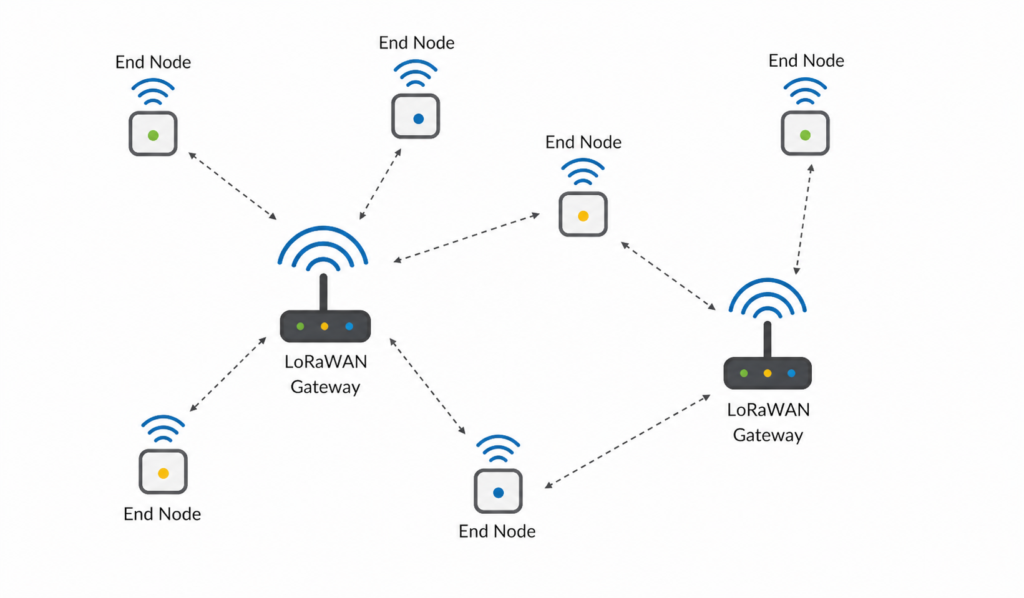
LoRaWAN has become the global standard for large-scale IoT deployments, offering long-range communication, ultra-low power consumption, and the ability to scale across millions of devices.
At LINK⇌LOGiX, we work closely with organizations to deploy LoRaWAN networks and build resilient IoT ecosystems.
But in many real-world scenarios, there’s a need for something simpler; more independent, more adaptable.
The Challenge with Traditional IoT Networks
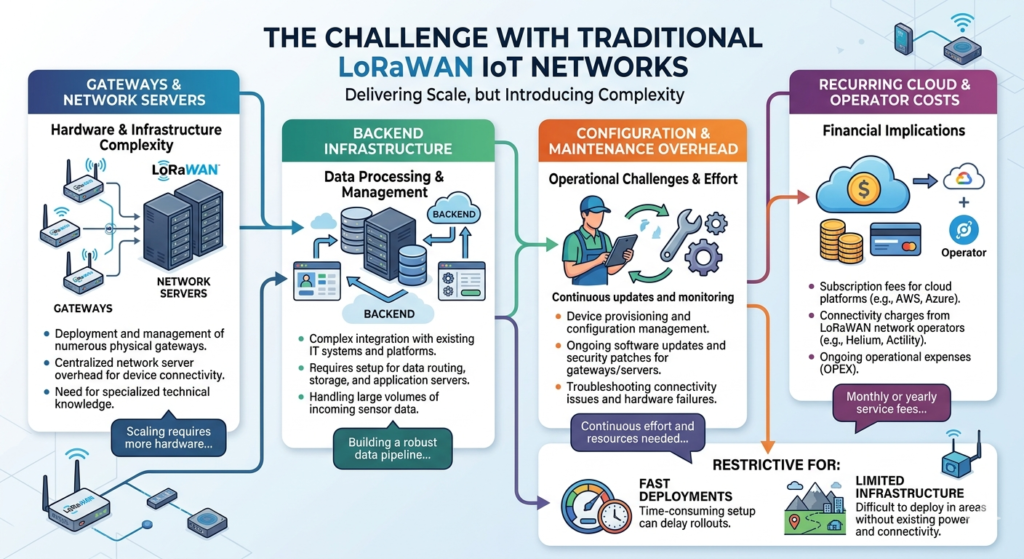
LoRaWAN delivers scale, but it also introduces complexity:
- Gateways and network servers
- Backend infrastructure
- Configuration and maintenance overhead
- Recurring cloud and operator costs
For deployments that need to move fast, or operate where infrastructure is limited, this model can become restrictive.
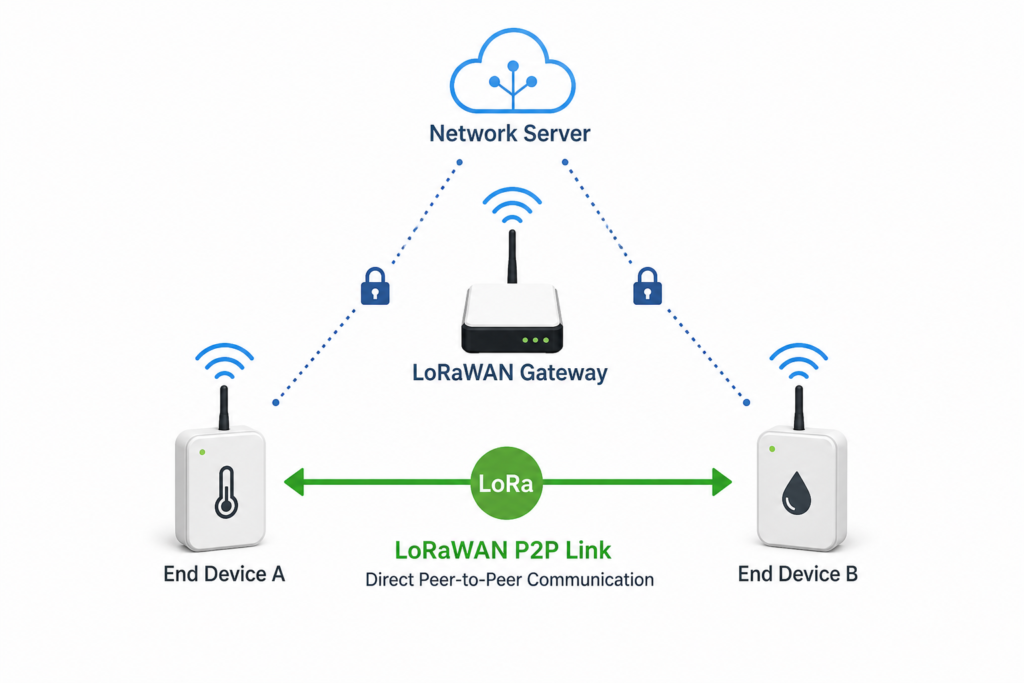
A Simpler Alternative: Direct Device Communication
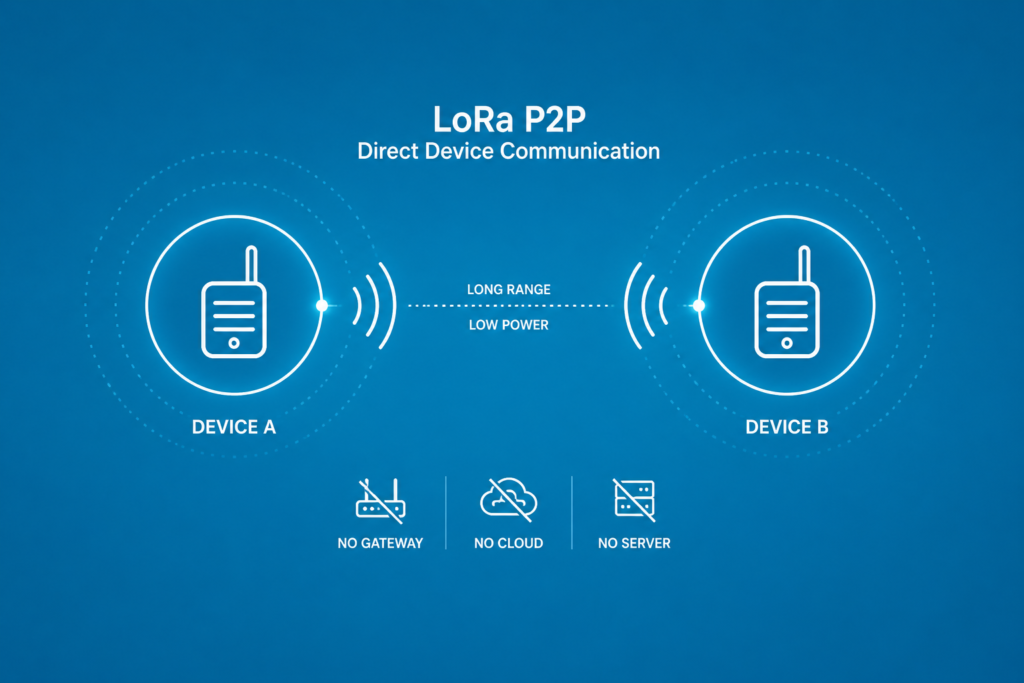
What if devices could communicate directly, without any middle layer?
No gateways.
No servers.
No cloud dependency.
That’s the power of LoRa Peer-to-Peer.
Unlike LoRaWAN’s star topology, LoRa P2P enables direct device-to-device communication, bringing simplicity back to IoT.
Think of it as a walkie-talkie for smart devices: straightforward, reliable, and built for the field.
Introducing the LWM2-62: Engineered for Real-World Reliability
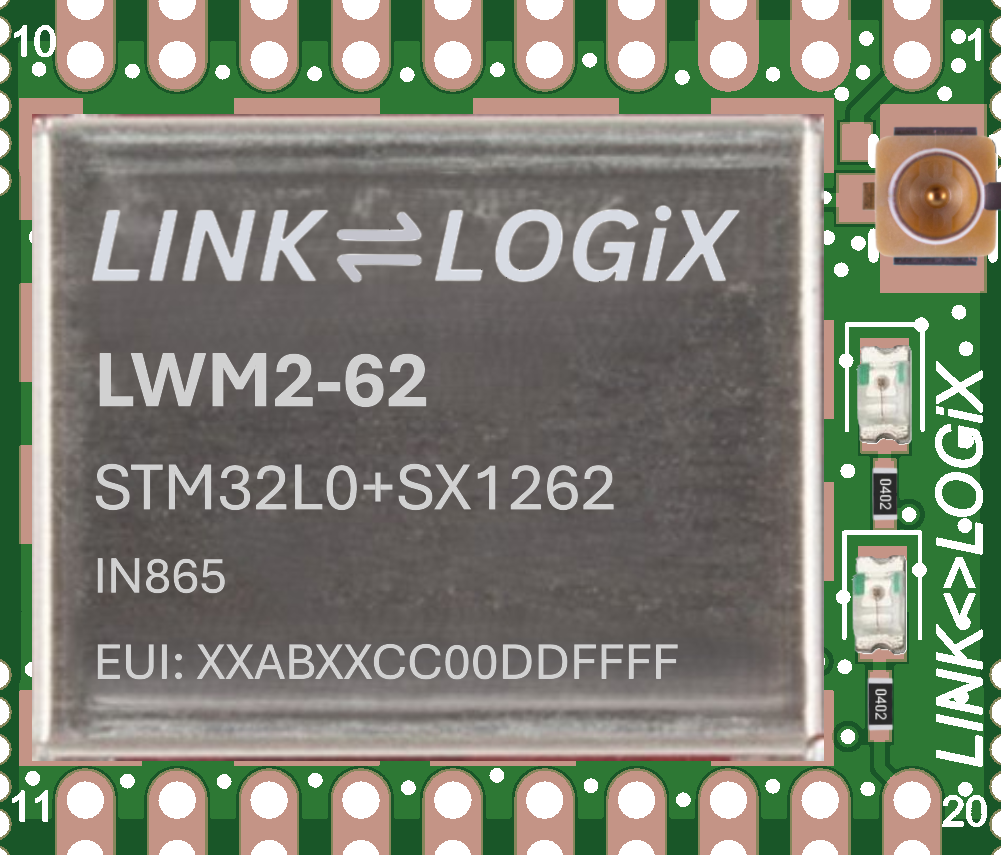
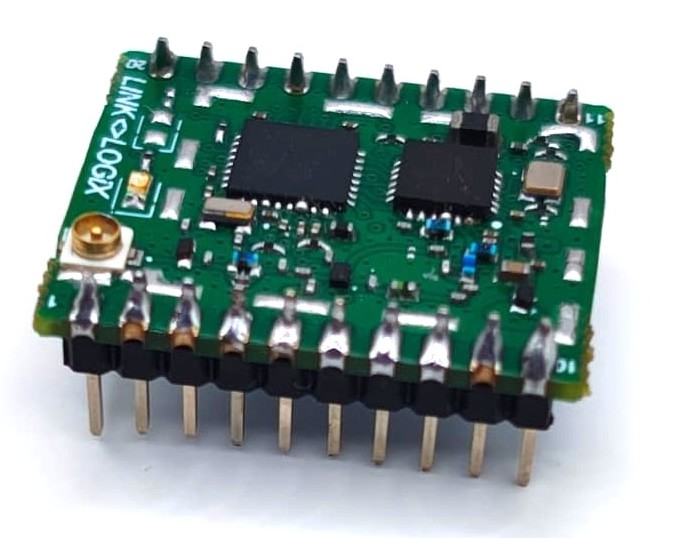
At the core of this approach is the LWM2-62, developed by LINK⇌LOGiX.
Built with a focus on efficiency and practicality, it enables:
- Seamless device-to-device connectivity
- Long-range, low-power communication
- Quick and simple integration
It reflects a design philosophy rooted in doing more with less, delivering dependable performance without unnecessary complexity.
Why LoRa P2P is Gaining Momentum
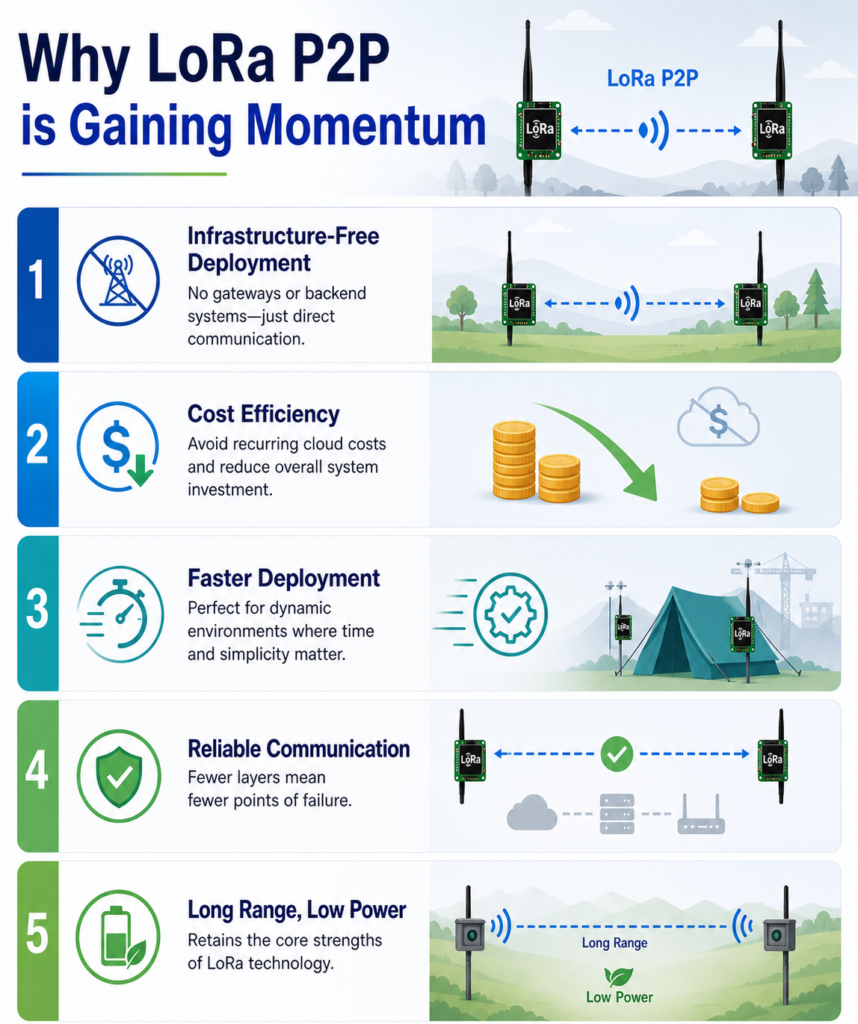
1. Infrastructure-Free Deployment
No gateways or backend systems; just direct communication.
2. Cost Efficiency
Avoid recurring cloud costs and reduce overall system investment.
3. Faster Deployment
Perfect for dynamic environments where time and simplicity matter.
4. Reliable Communication
Fewer layers mean fewer points of failure.
5. Long Range, Low Power
Retains the core strengths of LoRa technology.
Where It Makes an Impact
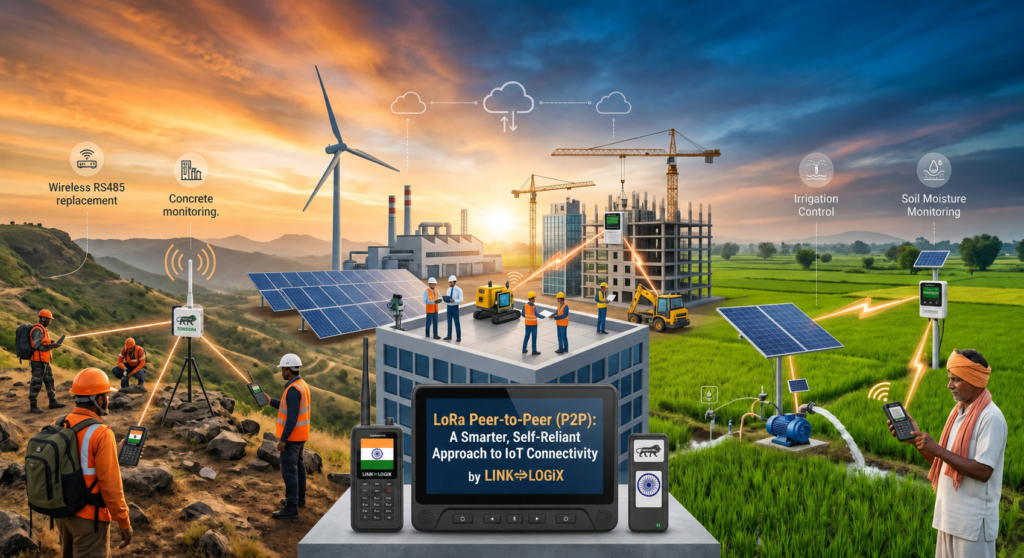
🌱 Agriculture
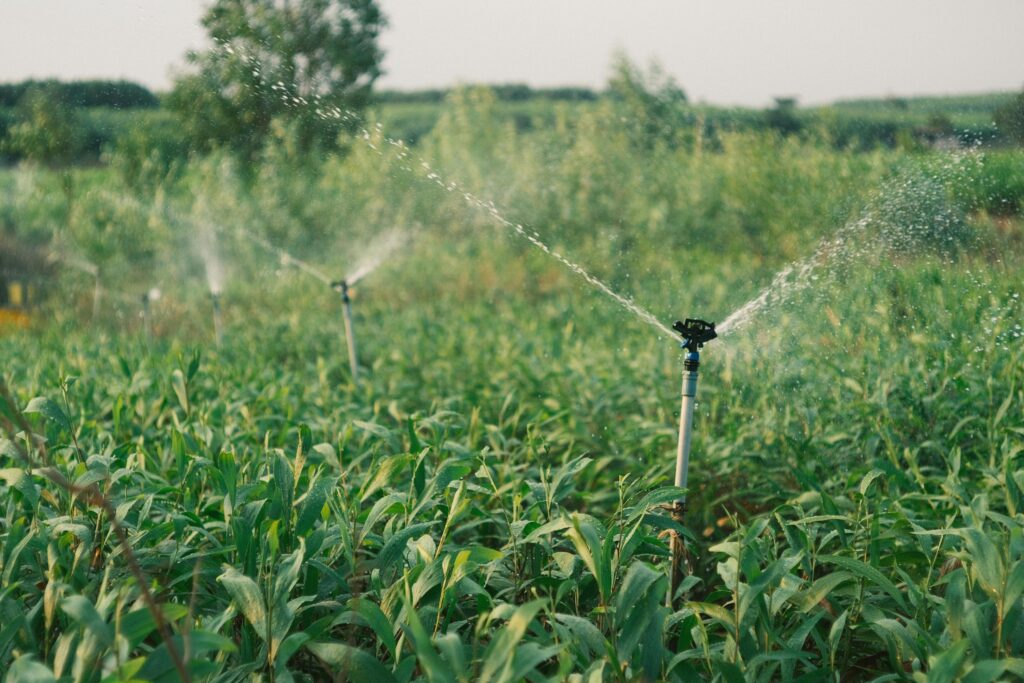
Enable smarter irrigation by controlling pumps remotely and monitoring field conditions; supporting efficient, resource-conscious farming.
🏭 Industrial Environments
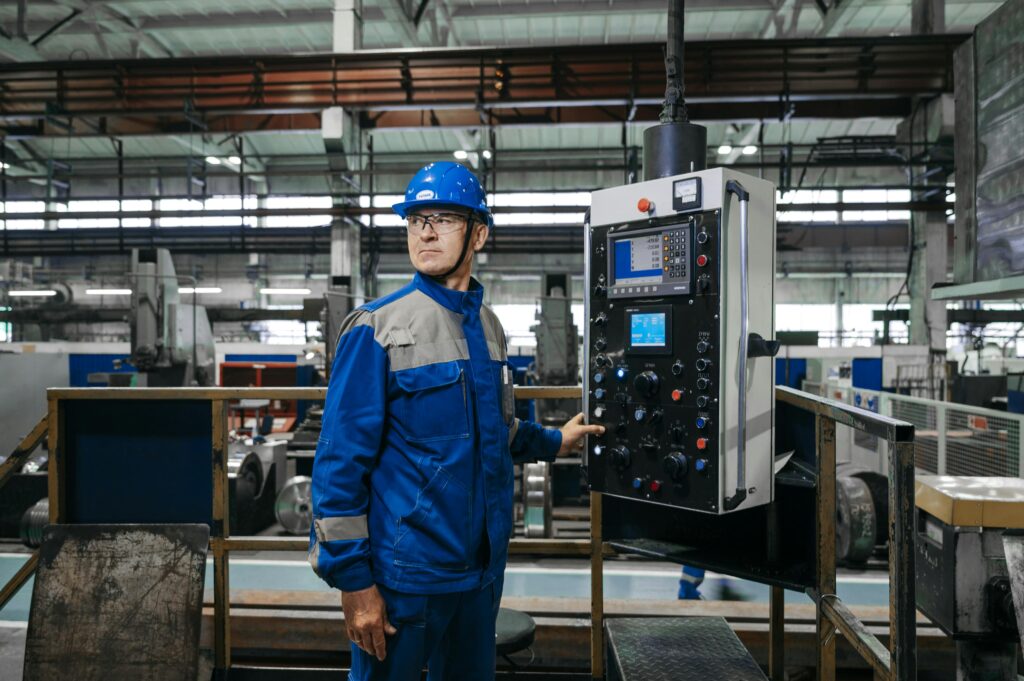
Replace complex RS485 cabling with direct wireless communication between machines and control systems.
🏗 Construction Sites
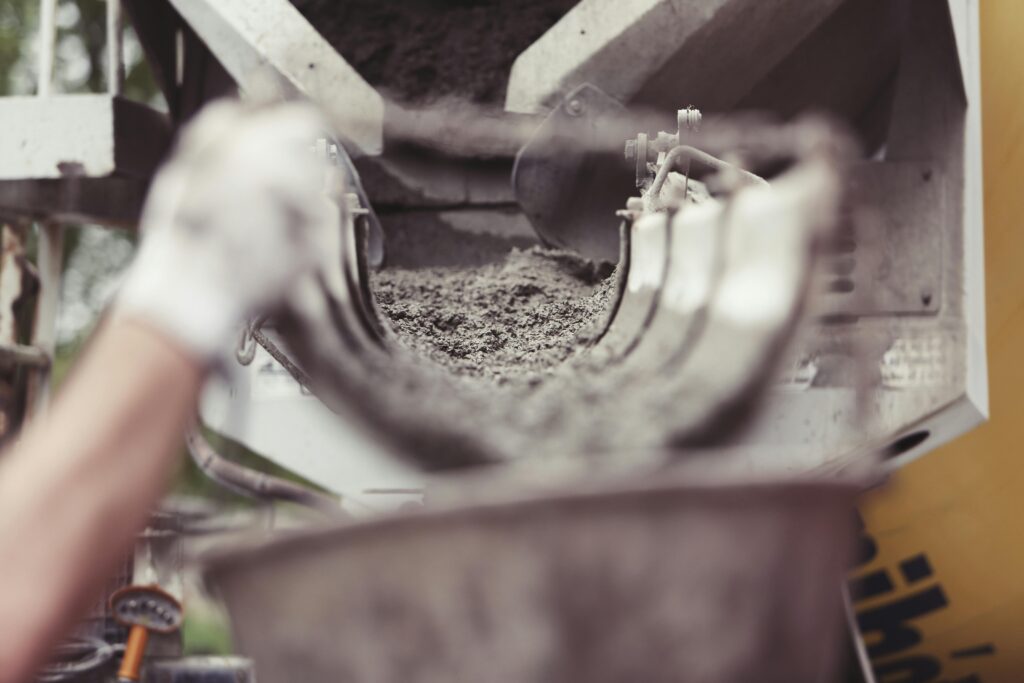
Deploy temporary monitoring systems with real-time alerts; such as tracking moisture levels in concrete.
🚨 Disaster & Emergency Scenarios

Create instant communication networks where infrastructure is unavailable; helping teams coordinate when it matters most.
Built for Practical, Real-World Deployment


Across diverse environments: from rural landscapes to industrial operations, solutions must be reliable, efficient, and easy to deploy.
In many parts of India, where connectivity can be inconsistent and conditions can vary widely, this kind of self-reliant communication model becomes especially valuable; reducing dependency while improving control.
LoRa P2P vs LoRaWAN: Choosing the Right Approach
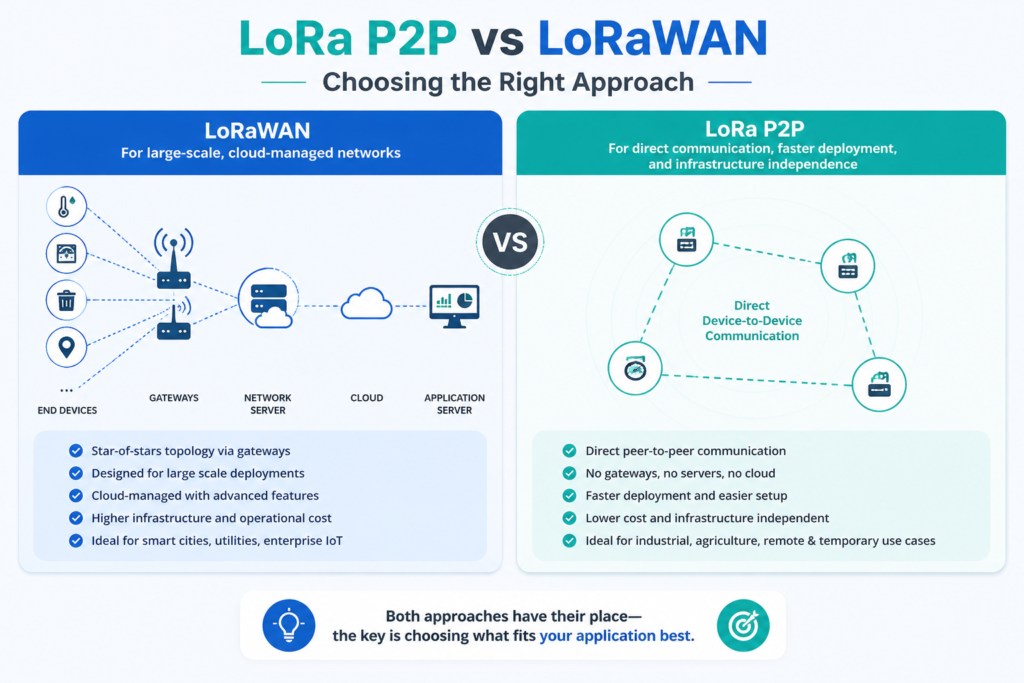
- Use LoRaWAN for large-scale, cloud-managed networks
- Use LoRa P2P for direct communication, faster deployment, and infrastructure independence
Both approaches have their place, the key is choosing what fits your application best.
Conclusion
LoRa Peer-to-Peer brings IoT back to its essentials.
No complexity.
No recurring costs.
No unnecessary layers.
Just fast, reliable, device-to-device communication.
With the LWM2-62, LINK⇌LOGiX is enabling a new generation of IoT solutions: designed with simplicity, built for performance, and aligned with a more self-reliant approach to innovation.
Frequently Asked Questions (FAQs)
What is LoRa Peer-to-Peer (P2P)?
LoRa P2P is a communication method where devices connect directly without gateways or cloud infrastructure.
Does LoRa P2P require internet connectivity?
No, it works independently of the internet, making it ideal for remote or offline environments.
What is the range of LoRa P2P communication?
LoRa P2P supports communication over several kilometers depending on environment and setup.
What are the applications of LoRa P2P?
It is widely used in agriculture, industrial automation, construction monitoring, and emergency communication.
Is LoRa P2P better than LoRaWAN?
It depends on the use case; LoRaWAN is suited for large networks, while LoRa P2P is ideal for direct communication.