
Our services
LoRaWAN Network Planning
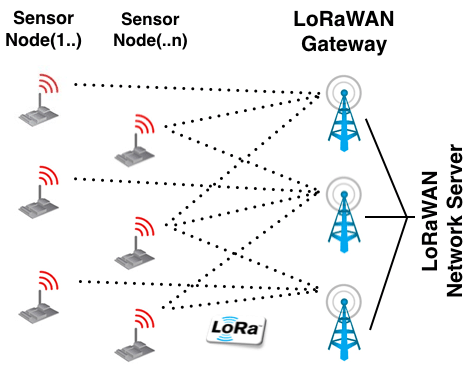
Before a single gateway goes up, network planning determines whether your deployment actually works at scale. We assess your site — terrain, building density, interference sources, and device density, to map optimal gateway placement, coverage radius, and capacity requirements. The result is a network designed around your real operational conditions, not generic assumptions, so you avoid dead zones, overprovisioning, and costly rework after rollout.
LoRaWAN Server Installation
A network is only as reliable as the infrastructure running behind it. We handle end-to-end setup of your LoRaWAN network server — configuration, device provisioning, security protocols, and integration with your existing application layer or cloud platform. Whether you’re deploying on-premises or in the cloud, we make sure data flows cleanly from device to dashboard, with the uptime and security your operations depend on.
Product Design Services
From concept to deployable hardware, we help teams design IoT products that are built for the field, not just the lab. Our product design services cover hardware architecture, module selection, enclosure design, and power optimization — tailored to your use case, environment, and budget. Whether you’re building a custom sensor or refining an existing device, we work alongside your team to get from prototype to production without unnecessary iteration cycles.

CONTACT US
F.A.Q.
Frequently Asked Questions
It depends on site complexity and scale, but most planning engagements — from initial site assessment to a finalized gateway layout — take anywhere from a few days to a couple of weeks. Larger or multi-site deployments may take longer, especially if terrain surveys or interference testing are involved.
Even small deployments benefit from planning. Poor gateway placement is one of the most common reasons networks underperform, and fixing coverage gaps after installation is far more expensive than planning for them upfront.
Yes. We work with both on-premises and cloud-based setups, and can integrate with platforms you’re already using rather than forcing a migration. We’ll assess what you have and recommend the most efficient path.
Network planning covers the physical layer — gateway placement, coverage, and capacity. Server installation covers the software layer — provisioning, security, and getting device data flowing to your applications. Most deployments need both, but they can also be engaged separately.
Both. We support full custom builds starting from a concept, as well as design refinement for teams that already have a working prototype but need help optimizing power consumption, form factor, or manufacturability.
A clear picture of your use case, target environment, and any constraints — budget, size, battery life, certifications required. The more context you can share upfront, the faster we can move from concept to a workable design.
Yes — many customers start with product design, move into network planning once the hardware is defined, and finish with server installation before rollout. We can scope these as a single end-to-end engagement or handle them independently, depending on where you are in your project.
Yes. Local after-sales support is core to how we work — from troubleshooting connectivity issues to assisting with future scaling as your deployment grows.