
Visit Our Website | Explore More Blogs
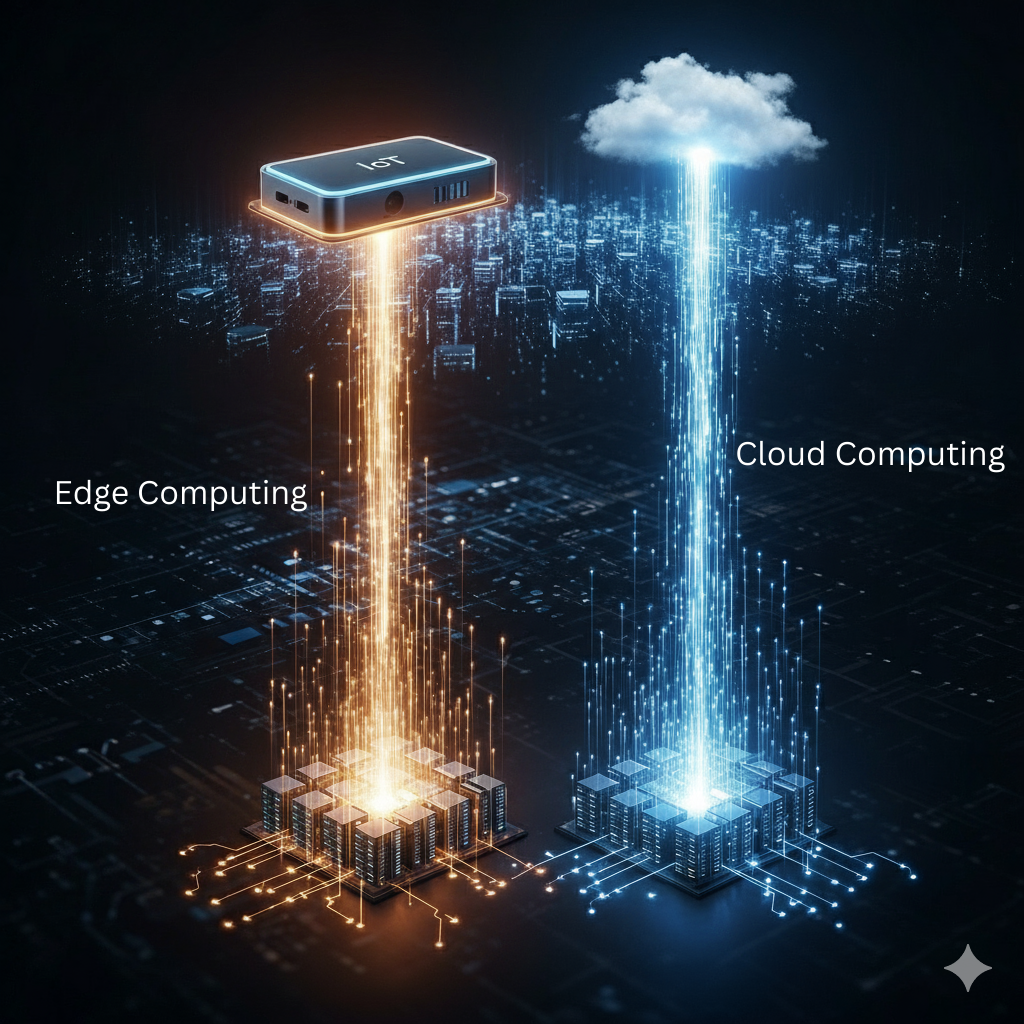
In the Internet of Things (IoT), one question sparks more debate than almost any other: where should intelligence live — at the Edge or in the Cloud?
With billions of devices connecting via LoRaWAN, WiFi, and BLE, choosing the right balance between edge computing and cloud computing can determine whether an IoT deployment succeeds or struggles.
What Is Edge Computing in IoT?
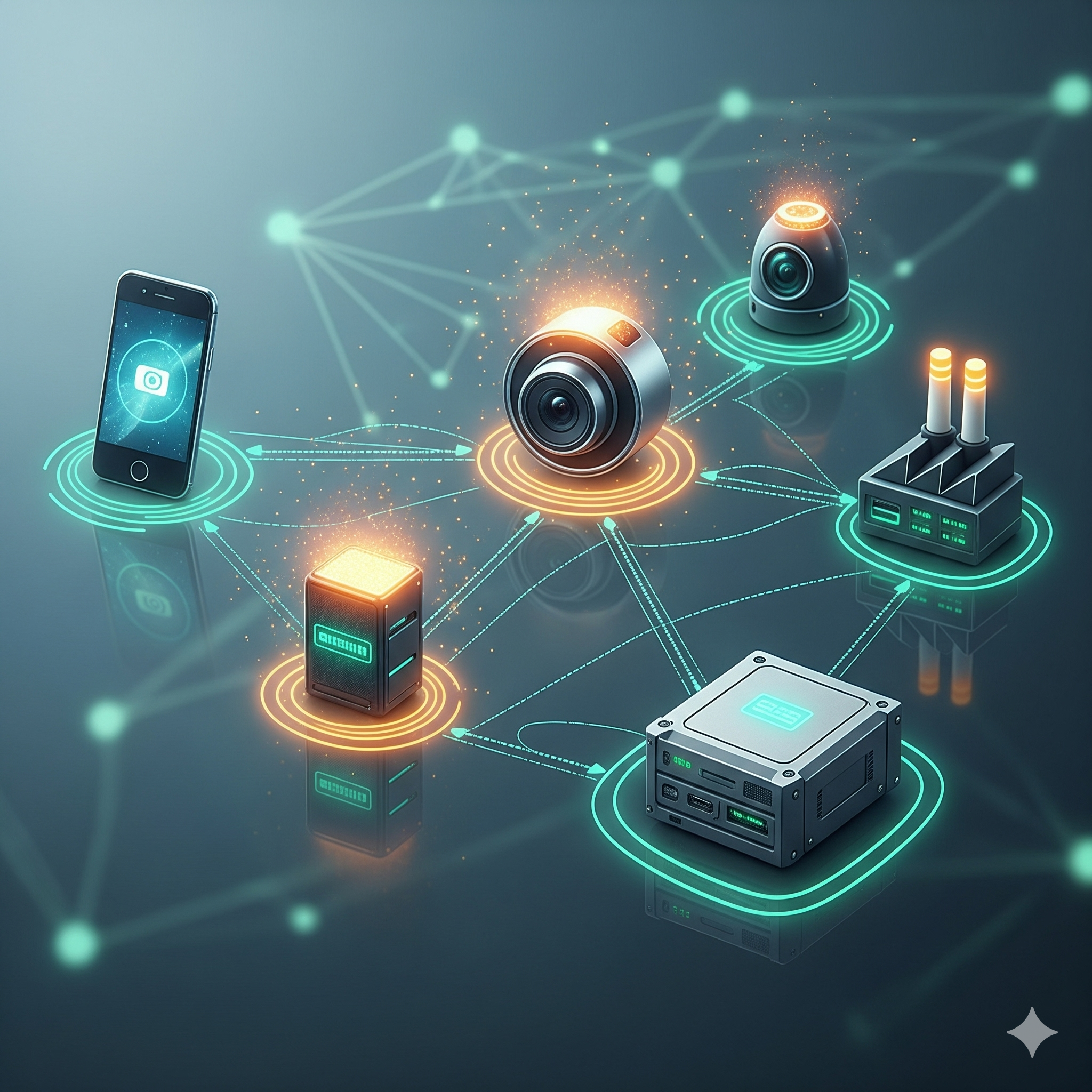
IoT Edge Computing processes data closer to where it’s generated — on devices, sensors, or gateways.
Benefits of Edge Computing:
- Low latency: Instant decisions without waiting for cloud round-trips.
- Bandwidth savings: Only filtered or summarized data moves upstream.
- Resilience: Devices keep functioning even when connections fail.
Example: In logistics, LoRaWAN trackers can process location data locally, sending only critical updates to reduce network traffic.
What Is Cloud Computing in IoT?
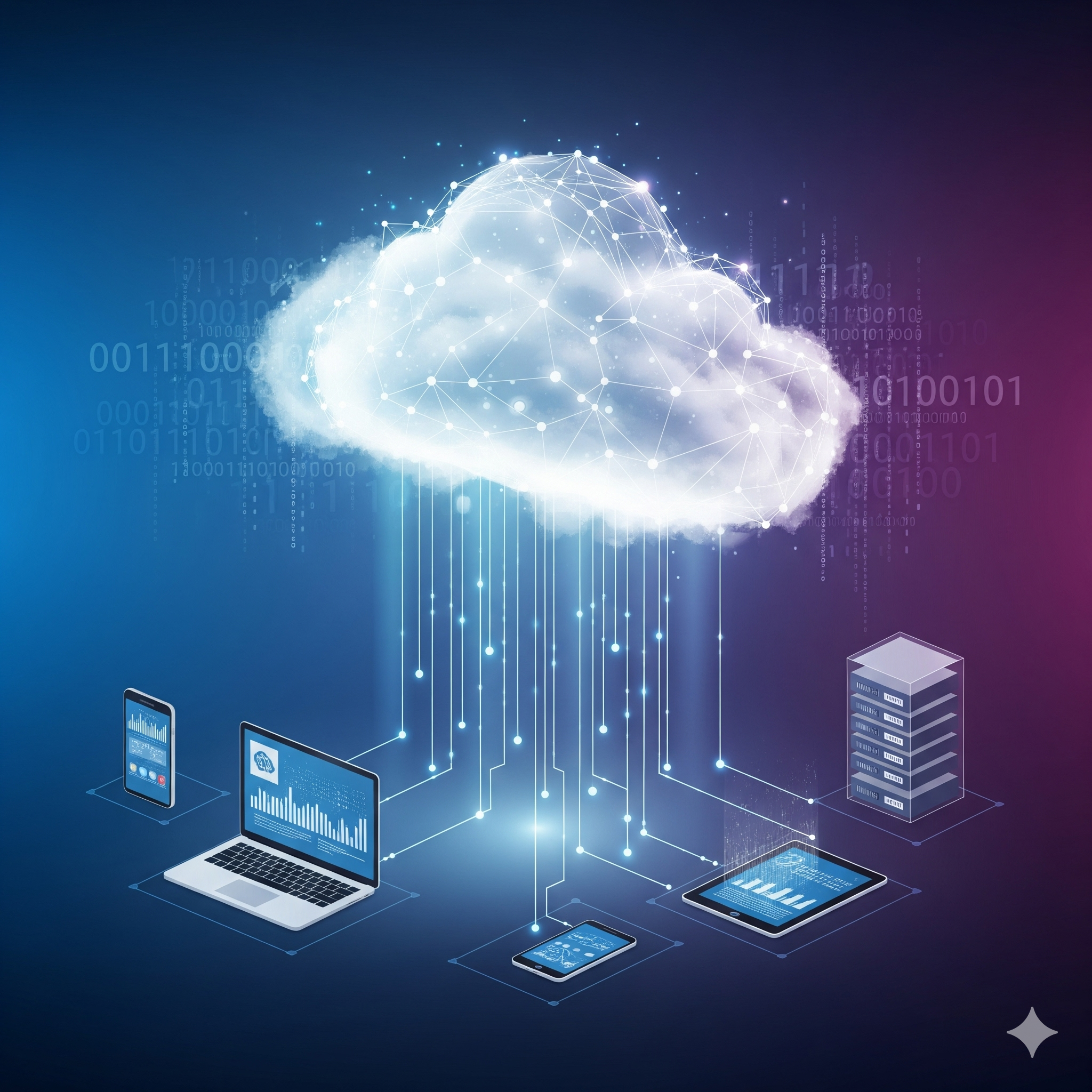
IoT Cloud Computing centralizes processing in remote servers. Devices stream data to the cloud for large-scale analysis and decision-making.
Benefits of Cloud Computing:
- Scalability: Handle millions of devices seamlessly.
- Global intelligence: AI and machine learning models improve across deployments.
- Centralized updates: Firmware, dashboards, and analytics are easy to manage.
Example: WiFi-connected smart devices often rely on the cloud for integrations with ecosystems like Alexa or Google Home.
Edge vs Cloud in IoT: Which One Wins?
Both models have their strengths:
- Edge leads where real-time response is critical (healthcare, industrial IoT, autonomous vehicles).
- Cloud shines where big-picture insights are needed (smart cities, predictive analytics).
But neither works perfectly in isolation. Cloud-only deployments risk high latency and costs. Edge-only deployments may lack the scalability and intelligence needed across networks.
The Rise of Hybrid IoT Architecture
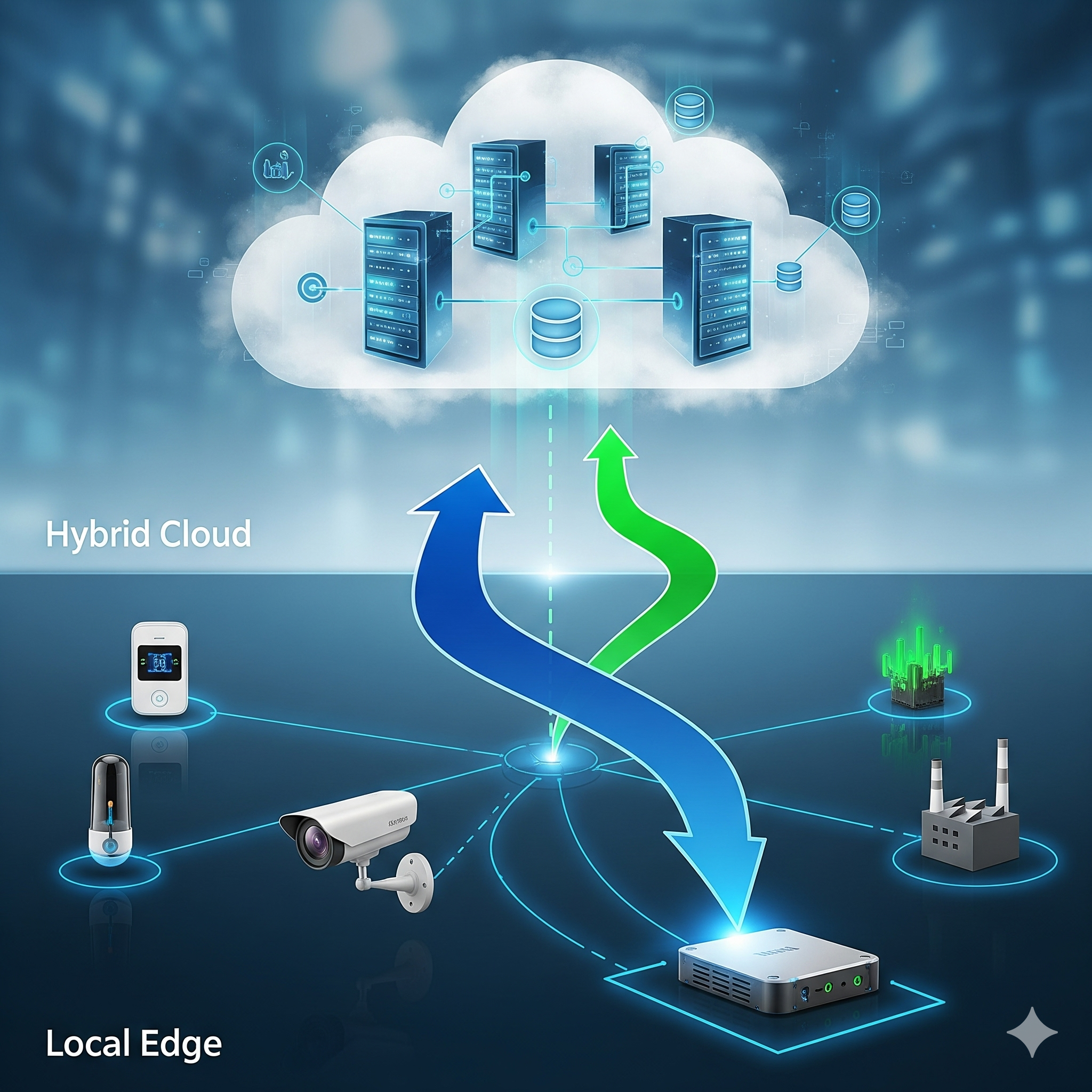
The future of IoT isn’t Edge or Cloud — it’s a hybrid approach.
- Edge decisions: Devices and gateways filter data in real time.
- Cloud insights: Big data analysis, AI, and predictive maintenance thrive in centralized systems.
- Protocol diversity: LoRaWAN enables low-power, long-range sensing; BLE handles localized connections; WiFi provides high-bandwidth backhaul.
This combination ensures IoT systems are faster, more reliable, and cost-effective. As IoT adoption grows, many companies — including innovators like us at LINK⇌LOGiX — are building gateways and modules designed to support hybrid deployments, ensuring flexibility for diverse use cases.
Where Should IoT Intelligence Live?
The real question isn’t “Edge or Cloud?” but rather:
👉 What balance works best for performance, scalability, and cost in your use case?
- Mission-critical systems lean toward Edge.
- Data-heavy systems lean toward Cloud.
- Scalable IoT solutions combine both.
The future of IoT lies in hybrid IoT architectures, powered by multi-protocol connectivity and intelligent design.
Conclusion
Edge vs Cloud in IoT isn’t a rivalry — it’s a collaboration. By leveraging LoRaWAN, WiFi, and BLE in hybrid architectures, businesses can unlock the best of both worlds: fast local responses and powerful global intelligence.
💡 In your experience, which approach delivers more value — edge-first, cloud-first, or hybrid? Share your thoughts and let’s spark the debate.
👉 Check out our IoT solutions.
👉 Read more insights on our blog page.
FAQs
Q1. What is IoT Edge Computing?
IoT Edge Computing means processing data on devices or gateways, improving speed and resilience while reducing bandwidth.
Q2. What is IoT Cloud Computing?
IoT Cloud Computing centralizes data processing and storage, offering scalability, AI-driven insights, and centralized management.
Q3. Why is Hybrid IoT Architecture important?
Hybrid IoT balances the strengths of edge and cloud, ensuring reliable, scalable, and cost-effective deployments.
Q4. How does LINK⇌LOGiX support Edge and Cloud IoT?
LINK⇌LOGiX provides IoT gateways and modules with LoRaWAN, WiFi, and BLE support, enabling hybrid IoT deployments that are future-proof and flexible.